
Lifestyle
How to Read Vegan Labels Without Losing Your Mind
What to look for, what “may contain” usually means, and why this gets much easier with time.

Kathy Patalsky
Editor, Finding Vegan · Oct 2, 2026
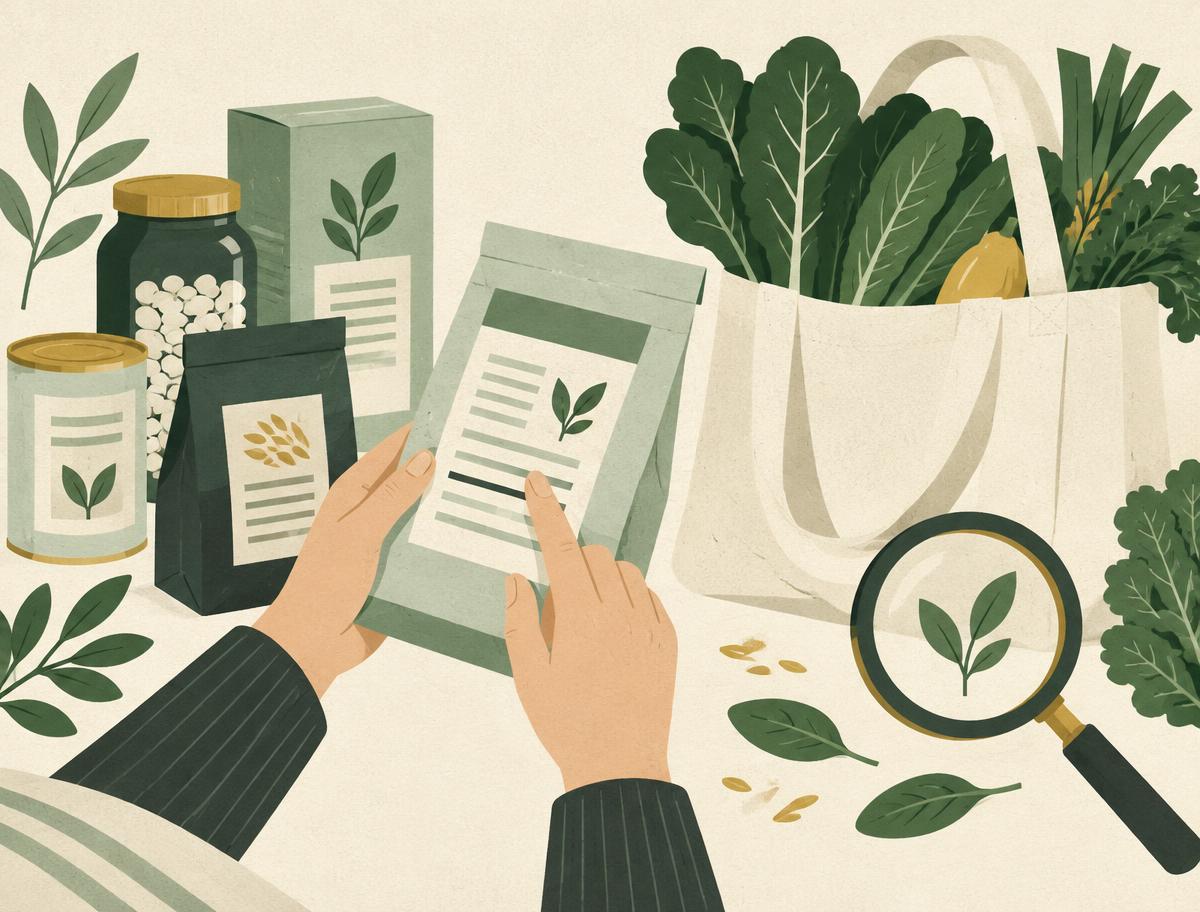
The first few vegan grocery trips can feel like someone turned every cereal box into a final exam. Milk, whey, casein, gelatin, honey, egg powder — suddenly you are reading type so small it should come with a tiny lamp.
Here is the good part: you will not do this forever. Familiar products become familiar products. You find your brands. You get faster.
Start with the ingredient list
The obvious animal-derived ingredients include milk, eggs, honey, gelatin, anchovies, fish sauce and lard. A few less-obvious ones worth learning are whey, casein, carmine, shellac, beeswax and collagen.
The FDA explains that major food allergens must be clearly declared, which makes milk and egg easier to spot in packaged foods sold in the United States. Recipes and manufacturing can change, though, so it is smart to glance again even when you have bought something before.
“May contain” is different
A statement like “may contain milk” or “processed on shared equipment” generally warns people about possible cross-contact; it does not mean milk was intentionally added as an ingredient. The FDA’s allergen guidance is useful if you are navigating a food allergy, where cross-contact can be medically serious.
Vegans make different personal choices around precautionary warnings. Allergies are a separate safety question. Know which question you are answering.
Let labels help you
Certified Vegan, vegan and plant-based labels can make shopping faster, but I still check the ingredient list when it matters to me. “Dairy-free” is helpful language, not a complete vegan guarantee.
Read, learn, find your go-to foods — and then get back to living your life. The goal is awareness, not ingredient-list Olympics.
Keep the practical vegan basics close with The Finding Vegan Guide.